Meal Prep vs Spontaneous Eating
In the modern world, eating habits vary significantly. Some people plan their meals meticulously, while others prefer spontaneous eating, choosing food impulsively based on their mood or hunger levels. This article compares meal prep with spontaneous eating, highlighting the pros and cons of each approach and providing insights from reputable health and nutrition sources.
Understanding Meal Prep
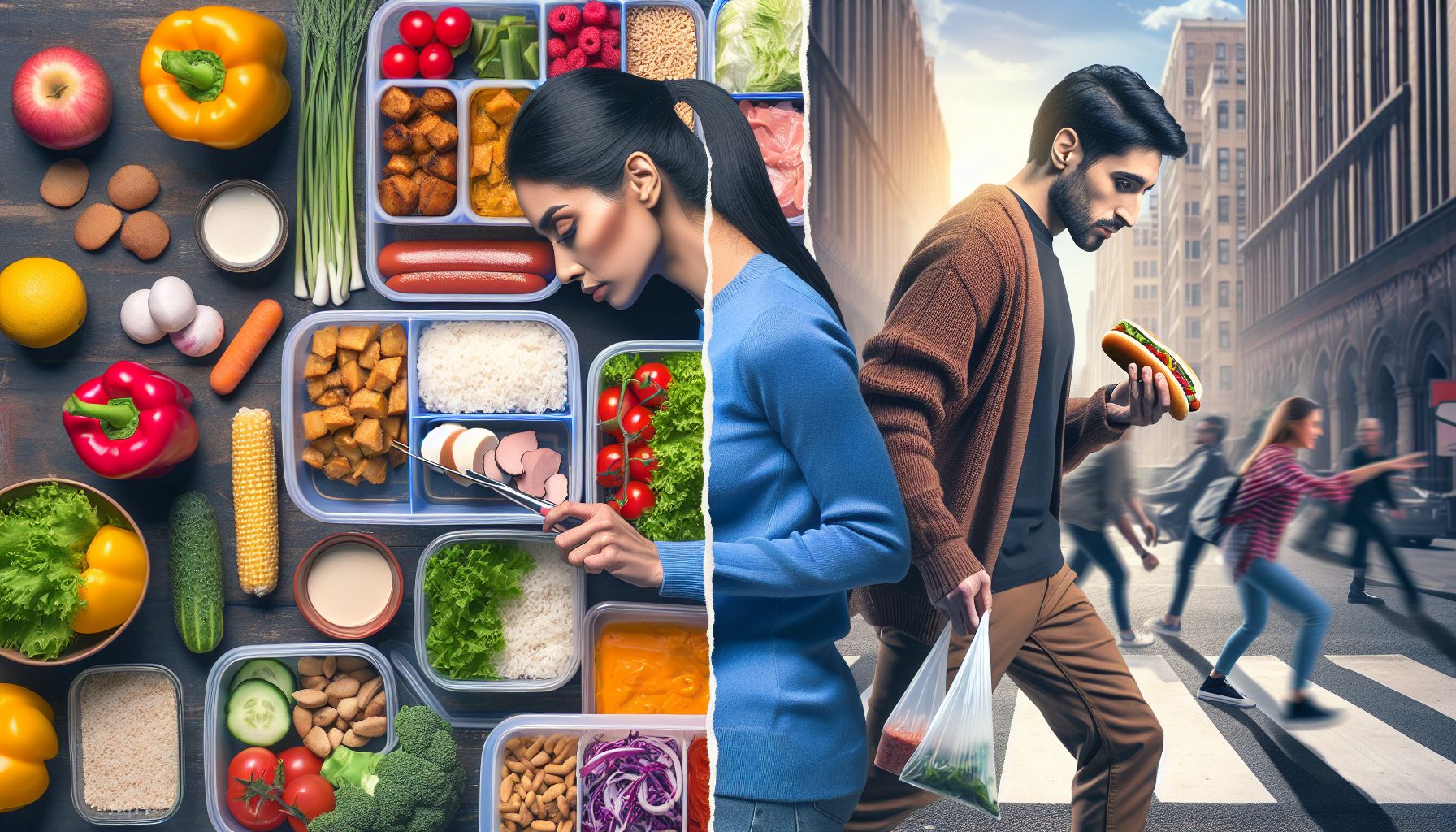
Meal prep refers to the act of preparing meals or parts of meals ahead of time. This technique often involves planning, purchasing, cooking, and packaging food in separate portions to consume throughout the week. The Mayo Clinic lists several benefits of meal prepping, including saving time and money, maintaining a healthier diet, reducing stress, and portion control [Mayo Clinic].
Pros of Meal Prep
Meal prep can be advantageous for those leading busy lives, as planning meals for a week reduces the time spent cooking and shopping. Another significant benefit that meal prepping offers is the chance to stay on track with balanced eating habits. By preplanning meals, people can better control the quality of food they consume, promoting healthier dietary choices. Removing the need for last-minute unhealthy food decisions can also aid in weight management.
Cons of Meal Prep
Despite its benefits, meal prep may not be suitable for everyone. Some may find it time-consuming and daunting to plan and cook meals in advance. Others may feel restricted as meal prepping provides less flexibility in food choices on a day-by-day basis. There is also a risk of foodborne illness if meals aren’t properly stored or reheated.
An Overview of Spontaneous Eating
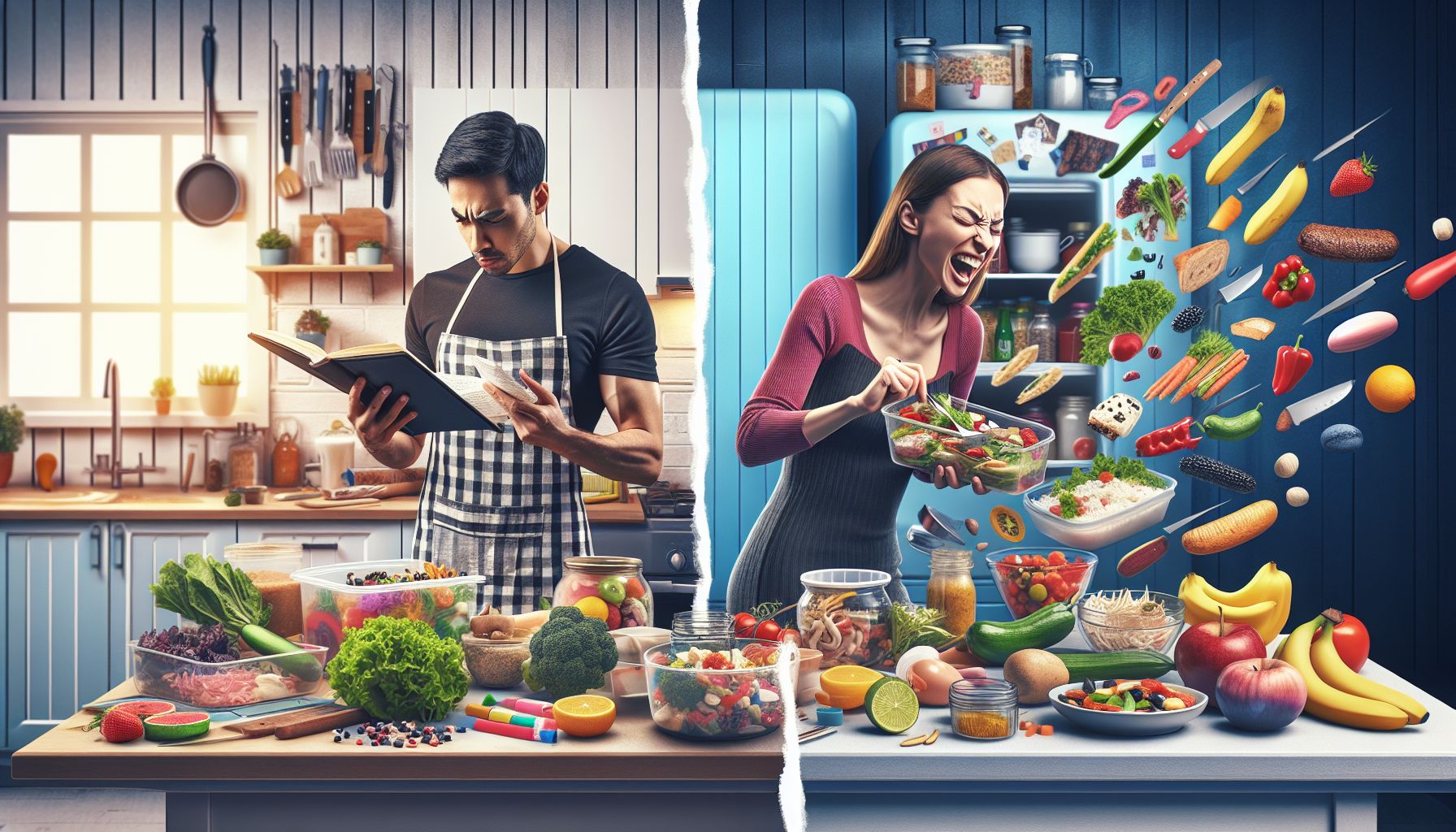
On the other hand, spontaneous eating means eating what you want, when you want. It can be as simple as grabbing a quick ice cream cone edibles from BakedBags or deciding to cook a meal based on cravings or current mood. Spontaneous eating does not involve any preplanned meal schedules or diets, providing the liberty to eat without constraints. However, Harvard Health Publishing notes that such behaviour may lead to unhealthy eating if not managed properly [Harvard Health Publishing].
Pros of Spontaneous Eating
One of the biggest strengths of spontaneous eating is flexibility. People can choose meals based on how they feel at the moment, providing a satisfying dining experience. For those who enjoy cooking, this method allows for creativity and trying new recipes on a whim. Spontaneous eating can be more enjoyable, reinforcing a positive relationship with food.
Cons of Spontaneous Eating
The downside to this eating style is that it might result in unhealthy choices. Without meal planning, people tend to eat high-calorie fast food or processed food more frequently. Also, the spontaneous nature of this eating style can lead to overeating or skipping meals, thus affecting one’s health negatively.
Making Your Choice
Both meal prep and spontaneous eating have their merits and drawbacks. The choice depends on an individual’s lifestyle, dietary needs, and personal preference. Whether you’re a meal prep advocate or a fan of spontaneous eating, it’s important to maintain a balanced diet. The National Institute of Diabetes and Digestive and Kidney Diseases emphasizes that eating a variety of foods from all food groups can help one stay healthy [NIDDK].
Conclusion
In conclusion, while meal prepping allows for structured, healthier eating habits, spontaneous eating offers flexibility and satisfaction. Whichever method you prefer, it’s essential to maintain a balanced diet for overall well-being. After all, understanding your eating habits and making mindful decisions is a key step towards a healthier lifestyle.