Digital Notes vs Paper Journals
Writing has evolved tremendously over time, from scrolls and tablets to parchment and paper. Today, the debate of digital notes vs paper journals is gaining prominence. People are deciding between maintaining a traditional paper journal or using modern digital note applications. This article will compare and contrast these two methods, focusing on their benefits and drawbacks.
Digital Notes: A Blend of Convenience and Technology
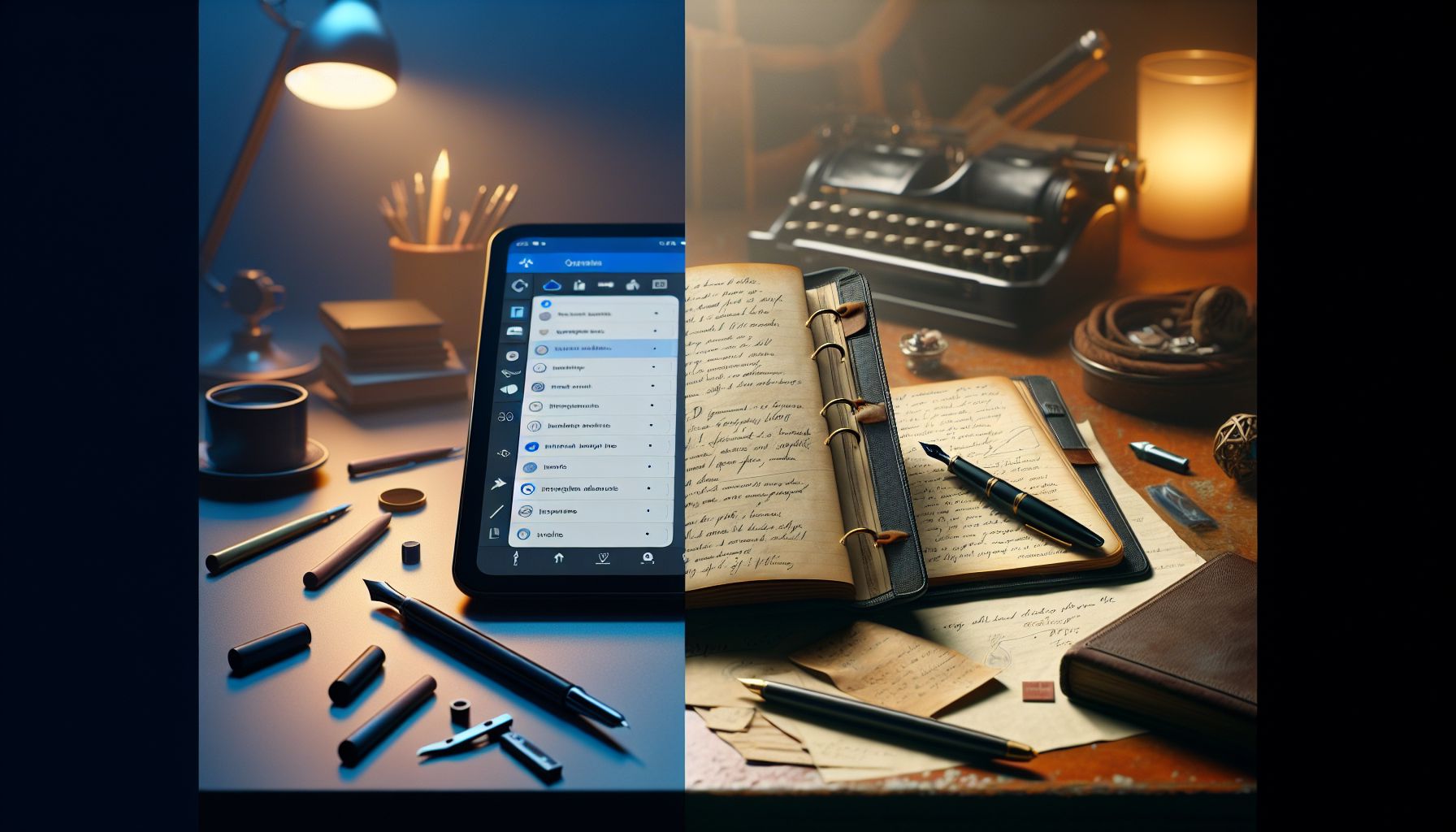
Digital note apps like Evernote, Notion, and Google Keep have changed how we record and store information. The primary advantage of digital notes is their unparalleled convenience. Digital notes are portable and can be accessed from multiple devices, eliminating the need for physical storage.
Moreover, digital notes are searchable, which proves useful for locating specific data. They also support multimedia, allowing you to add images, audio, video or links like an ice cream cone edibles recipe from a favorite food blog. In addition, some digital note apps have collaboration features, making them ideal for team projects.
However, digital notes also have drawbacks. They are dependent on technology, making them inaccessible during power outages or device failures. Data privacy can also be a concern, given the increasing number of cybersecurity threats [^1^].
Paper Journals: Embracing the Traditional Charm

Despite technological advancements, many people still prefer paper journals. Writing on paper can be more satisfying to some, creating a personal and intimate experience. Paper journals provide a strong sense of ownership, as the data contained within them is tactile and direct.
Moreover, paper journals promote better memory retention and comprehension [^2^]. Writing by hand is slower than typing, so it requires summarizing and paraphrasing, which reinforces content absorption. Also, using paper journals eliminates the distraction of pop-up notifications or other digital interruptions.
However, paper journals have their limitations too. They can be bulky and less portable than digital notes. Searching for information could require flipping pages and might be time-consuming. Similarly, making edits in paper journals could be messy and less flexible compared to digital notes.
Finding the Balance
Choosing digital notes or paper journals ultimately depends on individual preference and needs. Some opt for a hybrid approach, using paper journals for brainstorming and initial drafts, and digital notes for organizing and storing final versions.
For instance, you might start your gardening idea in a paper journal, writing down initial thoughts and sketches. As the idea matures, you can transfer key points into a digital note, adding photos of ice cream cone edibles from a recent fair visit, or linking to guides from reputable websites [^3^].
Digital notes and paper journals each have their unique features. Moving with the digital wave does not mean leaving traditional methods behind. Rather, balancing the two might be the most effective way to utilize the best each offers.
To conclude, the choice between digital notes and paper journals depends on individual requirements and preferences. Both methods have their distinct benefits and drawbacks. While digital notes offer high accessibility, paper journals offer a tangible and focused note-taking experience.
[^1^]: Cyberthreats and Digital Notes
[^2^]: Memory Retention in Note-Taking
[^3^]: Edible Gardening Guides