Why Wind Energy Storage Is the Missing Link in Renewable Power
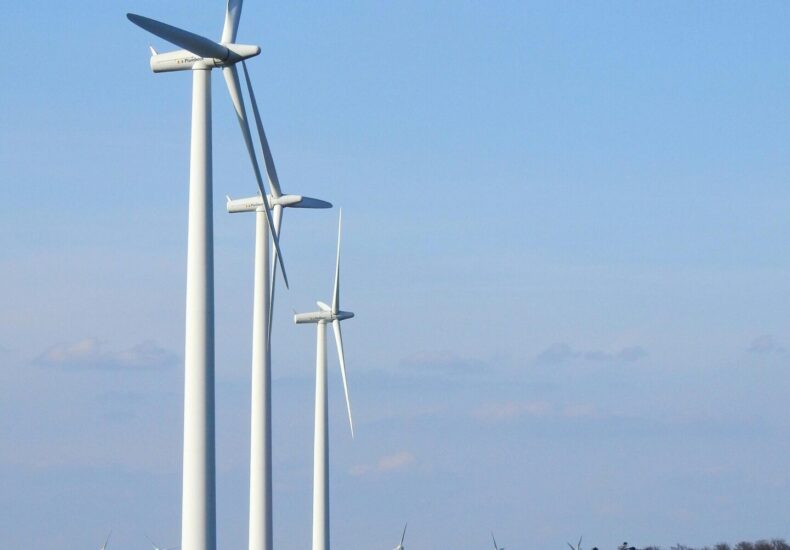
Wind energy has become one of the most visible symbols of the global transition toward renewable power. Towering turbines spinning across plains, coastlines, and offshore waters represent progress, sustainability, and a future less dependent on fossil fuels. Over the past few decades, wind power capacity has expanded rapidly, costs have fallen dramatically, and technology has matured to the point where wind is now one of the cheapest sources of new electricity in many parts of the world. Yet despite these successes, wind energy still faces a fundamental challenge that limits its full potential. The intermittent nature of wind means that power is not always available when demand is highest, and this mismatch remains one of the biggest obstacles to a fully renewable energy system. Wind energy storage is increasingly recognized as the missing link that can transform wind from a supplemental power source into a reliable backbone of modern electricity grids.
The Intermittency Problem and the Limits of Wind Power Alone
Wind energy’s greatest strength is also its greatest weakness. Wind is free, abundant, and clean, but it is also unpredictable. Turbines generate electricity only when wind speeds fall within a specific operating range. Too little wind, and the turbines sit idle. Too much wind, and they must shut down to avoid damage. This variability creates a persistent challenge for grid operators, who must balance electricity supply and demand at all times to maintain stability.
Electricity grids were originally designed around centralized power plants that could be turned on or off as needed. Coal, gas, and nuclear plants provide controllable output, making it relatively straightforward to match production with consumption. Wind power does not offer this level of control. There are times when wind farms produce more electricity than the grid can absorb, and other times when they produce almost none at all. Without a way to store excess energy, valuable renewable electricity is often curtailed, meaning it is intentionally wasted to prevent overloading the grid.
This intermittency also creates economic inefficiencies. When wind power floods the grid during periods of low demand, electricity prices can drop sharply, sometimes even becoming negative. While this might sound beneficial for consumers, it can undermine the financial viability of wind projects and discourage investment. Conversely, during periods of low wind and high demand, grids must rely on fossil fuel power plants to fill the gap, reducing the environmental benefits of wind energy.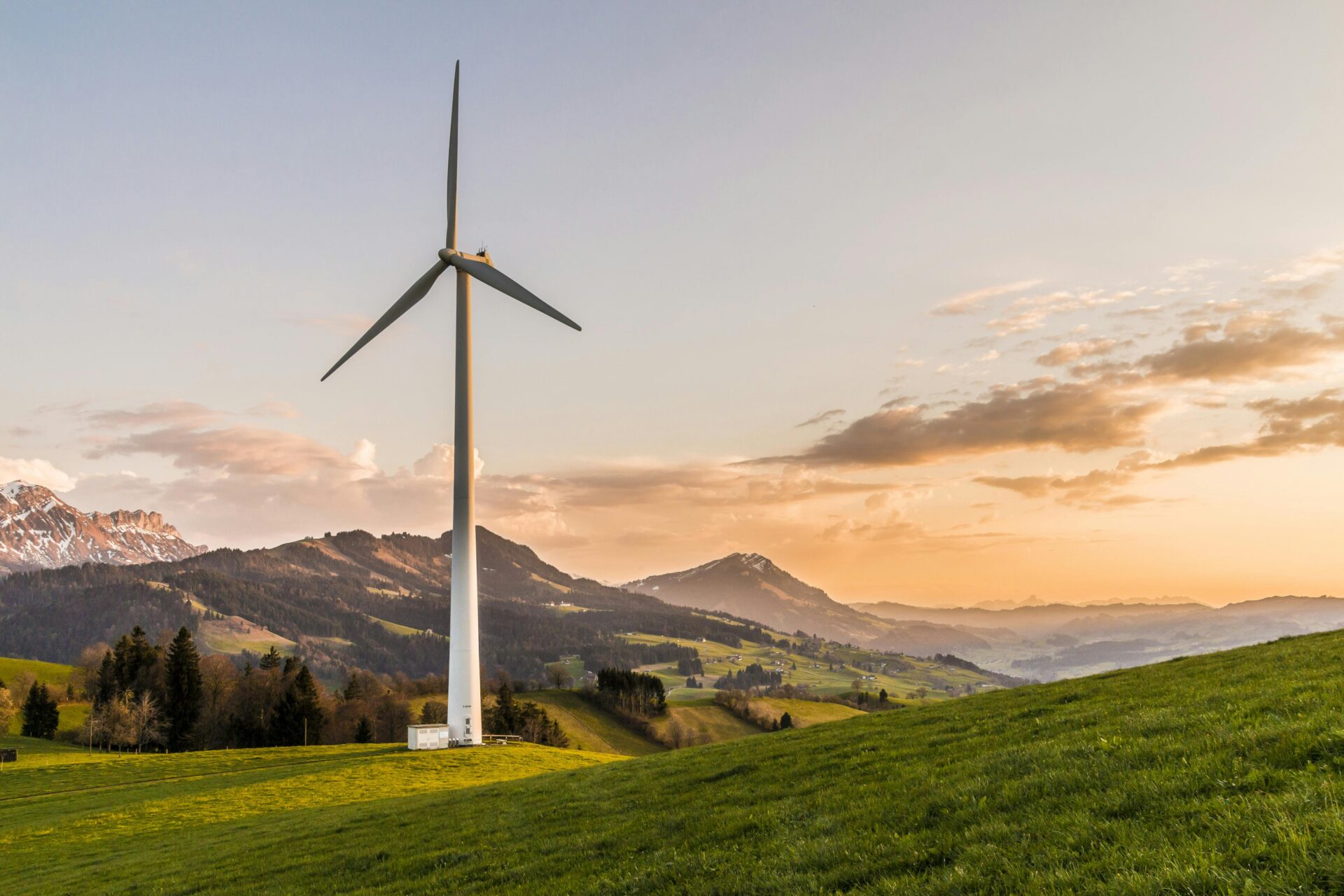
Grid-scale solutions such as long-distance transmission lines can help smooth out variability by connecting regions with different wind patterns, but they are expensive, politically contentious, and slow to build. Demand-side management can shift some energy use to periods of high wind, but it cannot fully resolve the issue. Without effective energy storage, wind power remains constrained by the weather, preventing it from replacing conventional power sources on its own.
This is why storage is increasingly seen as essential rather than optional. By capturing excess wind energy when it is plentiful and releasing it when it is scarce, storage systems can fundamentally change how wind power interacts with the grid. Intermittency stops being a liability and becomes a manageable feature of the system.
How Energy Storage Transforms Wind Into Reliable Power
Energy storage has the potential to redefine the role of wind energy within modern power systems. Instead of being treated as a variable and sometimes inconvenient energy source, wind can become a dependable contributor to baseload and peak demand alike. Storage acts as a buffer between generation and consumption, allowing electricity to be used when it is needed rather than only when it is produced.
At its core, energy storage solves the timing problem. When wind turbines generate more electricity than the grid requires, that surplus can be stored rather than wasted. When wind output drops, stored energy can be discharged to maintain supply. This simple concept has profound implications. It reduces the need for fossil fuel backup plants, lowers emissions, and enhances overall grid resilience.
Different storage technologies serve different roles in this transformation. Short-duration storage can smooth out minute-to-minute fluctuations in wind output, stabilizing frequency and voltage on the grid. Longer-duration storage can shift large amounts of energy from windy nights to calm afternoons, or even from one season to another in regions with strong seasonal wind patterns. The combination of wind power and storage effectively turns an intermittent resource into a dispatchable one, capable of responding to grid demands much like traditional power plants.
Storage also enables higher penetration of wind energy without compromising reliability. Many grids today face a “renewables ceiling,” a point beyond which adding more wind capacity creates operational challenges. Energy storage raises or removes this ceiling by absorbing excess generation and providing firm capacity when needed. This allows policymakers and utilities to pursue more ambitious renewable energy targets with confidence.
From an economic perspective, storage enhances the value of wind power. Instead of selling electricity at low prices during oversupply, operators can store energy and sell it during periods of higher demand and higher prices. This improves revenue stability and makes wind projects more attractive to investors. Storage turns wind energy from a price-taker into a more strategic market participant, strengthening the financial foundations of renewable power.
In essence, energy storage does not just complement wind energy; it completes it. Without storage, wind remains constrained by nature’s rhythms. With storage, those rhythms can be harnessed and aligned with human needs.
Storage Technologies and Their Role in Wind Integration
The effectiveness of wind energy storage depends heavily on the technologies used to store and release energy. Each storage solution comes with its own strengths, limitations, and ideal use cases. Understanding these technologies is key to appreciating why storage is such a critical missing link in renewable power systems.
Battery storage, particularly lithium-ion batteries, has received the most attention in recent years. Batteries are highly responsive, making them ideal for short-term balancing and grid stabilization. They can absorb sudden surges in wind generation and release power almost instantaneously when output drops. Battery systems have become a cornerstone of modern wind integration, especially as costs have fallen and performance has improved. However, batteries are still relatively expensive for long-duration storage and face challenges related to resource availability and lifecycle impacts.
Pumped hydro storage is the most mature and widely deployed form of large-scale energy storage. It works by using excess electricity to pump water uphill into a reservoir, then releasing it through turbines when energy is needed. Pumped hydro is highly efficient and capable of storing vast amounts of energy for extended periods. For wind energy, it provides a powerful way to balance daily and even weekly fluctuations. Its main limitation is geographic; suitable sites are not available everywhere, and environmental concerns can complicate development.
Other emerging technologies are gaining attention for their potential to support wind energy. Compressed air energy storage uses excess wind power to compress air, which is later released to drive turbines. Thermal storage captures energy as heat, which can be converted back into electricity when needed. Hydrogen production, often referred to as power-to-gas, uses wind energy to split water into hydrogen and oxygen. Hydrogen can be stored for long periods and used as fuel, electricity generation, or industrial feedstock, making it especially promising for long-term and seasonal storage.
No single storage technology is a perfect solution. Instead, a diverse mix of storage systems is likely to play a role in fully integrating wind energy. Short-duration batteries, medium-duration mechanical storage, and long-duration chemical storage can work together to address different aspects of variability. This layered approach to storage mirrors the complexity of wind itself, ensuring that renewable power can meet a wide range of demands reliably and efficiently.
The Future of Renewable Power Depends on Storage
As the world accelerates its transition away from fossil fuels, the limitations of variable renewable energy become increasingly apparent. Wind power alone cannot carry the full weight of a modern electricity system without support. Energy storage provides that support, bridging the gap between natural variability and human demand. The future of renewable power is inseparable from the future of energy storage.
Technological progress is already reshaping this landscape. Storage costs continue to decline, new chemistries and materials are being developed, and large-scale projects are proving their value in real-world conditions. Policy frameworks are also evolving, recognizing storage as a critical infrastructure component rather than a niche add-on. Markets are beginning to reward flexibility and reliability, creating stronger incentives for storage deployment alongside wind farms.
Looking ahead, the integration of digital technologies, artificial intelligence, and advanced forecasting will further enhance the synergy between wind and storage. Smarter systems will predict wind patterns, optimize storage use, and respond dynamically to changes in demand. This intelligent coordination will maximize efficiency and reliability, pushing renewable penetration to levels once thought impossible.
Ultimately, wind energy storage represents a shift in how society thinks about power. Instead of chasing constant supply from controllable fuels, energy systems adapt to natural flows and manage them intelligently. This approach aligns with broader sustainability goals and reflects a more harmonious relationship between technology and the environment.
Wind energy has already proven that clean power at scale is possible. Storage is what will prove that it is dependable, resilient, and ready to power the future. Without storage, wind remains incomplete. With storage, it becomes a cornerstone of a truly renewable energy system.