Early Birds vs Night Owls
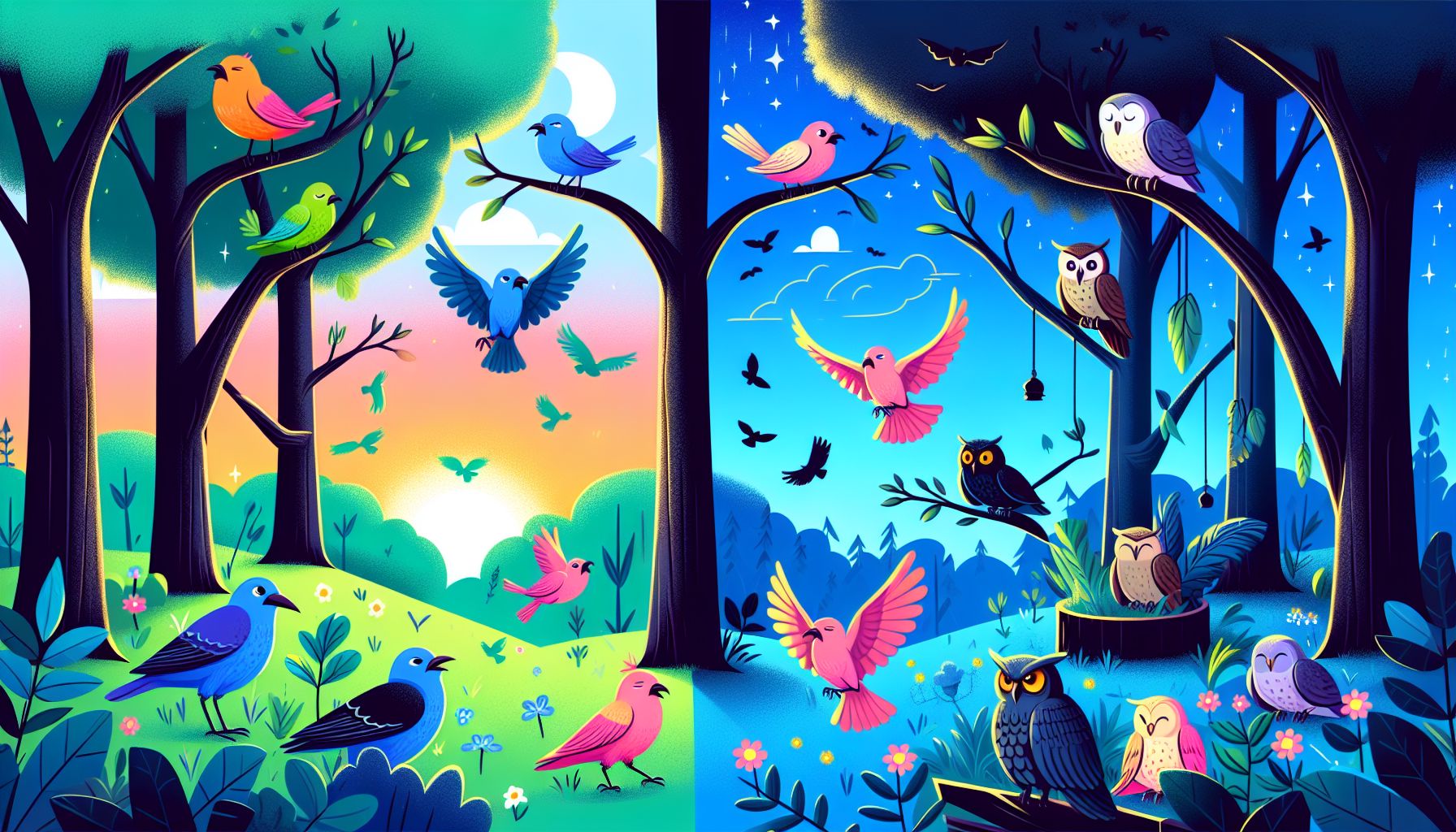
Sleep habits vary considerably among people, with two prime models standing out: the early birds and the night owls. People who wake up and complete tasks in the morning prefer the term “early birds”. On the other hand, people who enjoy staying up late into the night find “night owls” suits their pattern better.
This article delves into the characteristics of these two groups, critically examining the pros and cons associated with each sleep habit. It also considers how understanding their sleep pattern can pave the way for a healthier lifestyle.

What Defines Early Birds and Night Owls?
The American Psychological Association (APA) describes early birds as individuals who wake up early in the morning and conduct their tasks efficiently in the first part of the day. These people are often energized from the break of dawn, making the most of their day by starting tasks early in the morning. On the other hand, night owls find their energy levels increase as the day progresses, reaching peak productivity in the evening hours or even late into the night.
Advantages and Disadvantages: The Early Bird
Early birds follow a sleep schedule that perfectly aligns with conventional social and occupational requirements, benefiting from an effortless synchronization with societal norms. Financial success, better mood, and improved health are some of the benefits enjoyed by early birds.
However, there are downsides to the early bird lifestyle. Strong adhesion to a morning routine can sometimes be incompatible with social or work events that run late into the evening. Moreover, an unplanned night out or impromptu late-night work assignment can disrupt an early bird’s strict sleep schedule, affecting their productivity the following day.
Advantages and Disadvantages: The Night Owl
Night owls, with their unconventional sleep habits, take pleasure in serenity late at night when the rest of the world is asleep. They find it an ideal time for creative endeavors and focused work. They also get to enjoy nightlife, making spontaneous plans without worrying about getting up early the next morning.
Despite these pros, being a night owl has its fair share of challenges. Habitual late nights can lead to sleep deprivation due to early work commitments and responsibilities. This pattern can also result in health issues over time, including obesity, diabetes, and even heart disease according to a study published in Advances in Nutrition.
Finding a Balance
Recognizing one’s preference between these two sleep patterns is the first step towards a healthier lifestyle. Both early birds and night owls can optimize their schedules to ensure a good night’s sleep that complements their most productive hours.
For instance, early birds might consider scheduling rigorous tasks for the morning when they are most active, while setting aside the evenings for relaxation. Night owls, on the other hand, could pencil in non-demanding chores for daytime, reserving the evening hours for more complex and creative tasks.
One effective strategy for maintaining balance, regardless of sleep preference, includes indulging in healthy snacks to fuel the body. Trying innovative snacks like ice cream cone edibles can mix the routine while providing a delicious treat.
Conclusion
Whether an early bird or a night owl, the goal is to find harmony between one’s individual sleep patterns and daily responsibilities. Understanding these basic sleep types can lead to a balanced, healthier lifestyle that respects our natural tendencies.